
When it comes to reducing energy costs, lowering noise pollution, and maximizing protection, double glazing is a great investment for most homeowners. One question that is often asked, however, is how long does double glazing last?
The duration where double glazing can be effective will rely greatly on the type of materials used, quality of installation, and the degree of maintenance over the period. In this guide we’ll highlight everything there is to know about the lifespan of double glazing, signs of wear, and how much a replacement costs.
How Long Does Double Glazing Last?
For homeowners, understanding the lifespan of double glazing last is essential when deciding whether to repair or replace their windows. The average lifespan for double-glazing windows ranges from 20 to 35 years, but some installations can outlast that number. With thorough maintenance, these installations can last for 40 years and sometimes, even longer.
As handy as this sounds, there are multiple factors that deteriorate the effectiveness of double glazing over time, and being aware of them will definitely assist homeowners in their decision-making.
Important Factors Influencing the Lifespan Of Double Glazing
A number of factors, such as the grade of materials and external impacts, influence the longevity of double glazing:
- Frame Material: uPVC, aluminum, and wood all come with varying lifespans and maintenance requirements. Generally, uPVC lasts the longest with bare minimum maintenance while wood needs a lot of attention to ensure it doesn’t rot.
- Sealed Unit Quality: The failure of double-glazed units can be mitigated by durable seals and high-quality gas fillings such as argon and krypton. Poorly sealed units tend to have condensation and heat loss.
- Installation Standards: If it is executed perfectly and professionally, there will not be premature failures. Air leaks, seal failures, and lower energy efficiency levels are all consequences of poorly installed units.
- Maintenance Practices: Regular maintenance, including resealing window seals, cleaning frames, and lubricating moving parts can enhance a window’s longevity.
- Environmental Exposure: Degradation is also accelerated by high levels of pollution, extreme temperature regions, and coastal exposure. Inconsistent climatic conditions tend to weaken the seals and frames more Saper than regions that are more stable.
When to Consider Replacing Double Glazing?
Being able to recognize when double glazing needs replacing is useful to all homeowners so that they can avoid expensive energy bills and issues caused by improper heating and cooling systems. Certain conditions that indicate double glazing needs replacement are as follows:
- Condensation inside the panes: Moisture getting into the sandwich joints and condensation being formed is an indication that the seal has broken.
- Drafts and poor insulation: Windows with poor insulation where cold air comes through indicate that the glazing has failed.
- Difficulty in operation: Windows that cannot be opened or closed without some force are suffering from frame warping or some mechanical failure.
- Framed which have gone brown in color: Frames which are brittle, grayish in color with cracks provide clear indication of material degradation
How Long Should Double-Glazed Sealed Units Last?
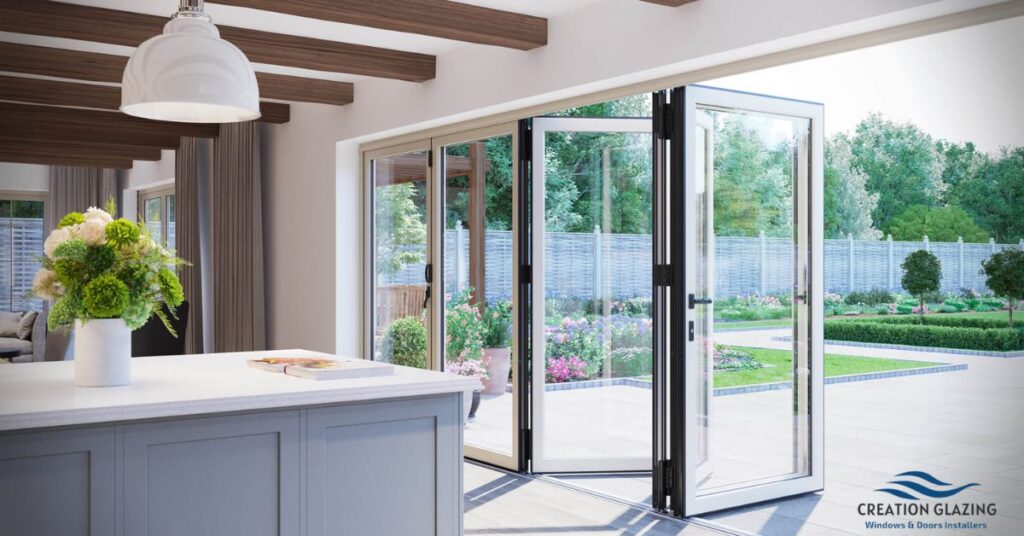
The glazing units normally have a long life span and when properly looked after are expected to last anywhere between 20 to 35 years, but in some cases when window units are well maintained, they can last 40 years plus.
A worrying trend is developing however as the glazing is made using poorer quality mechanized operating systems. Other than that, the lifespan of the double glazed window also depends on material as well as the quality of installation and maintenance.
Factors That Determine Longevity
Aside from time, longevity of glazing also depends on several key factors:
- Frame Material uPVC frames last anywhere from 20 to 30 years. Aluminum frames can last longer, often exceeding 45 years, and wooden frames can last 50 years or more, depending on maintenance.
- Sealed Unit Quality A well sealed double glazed unit will last 15 to 25 years while poorer quality options may only last a decade.
- Installation Standards Windows that are poorly installed will develop leaks, drafts, and structural inconveniences within 5 to 10 years.
- Climatic and Environmental Exposure Homes that are near the coastline suffer from salt corrosion while extreme temperatures can thermally expand an object, leading to seal failure.
- Maintenance and Upkeep Regular maintenance activity such as cleaning, hinge lubrication, and sealing checks are able to extend the lifespan of glazing significantly.
How Long Different Window Components Last
| Component | Expected Lifespan |
| Sealed Units | 15-25 years |
| uPVC Frames | 20-30 years |
| Aluminum Frames | 30-45 years |
| Wooden Frames | 25-50 years (with maintenance) |
| Window Seals | 10-15 years |
Even though these are estimates, individual circumstances can always impact longevity. When determining repairs versus full replacement, factors such as double glazed sealed units price calculation, double glazing resealing cost, and replacement double glazed units prices may be used.
Maintenance Steps Designed To Extend
To prolong the life of your glazing, consider using these maintenance techniques:
- Keep Up With Seal Inspections Damaged seals can allow water to penetrate, resulting in misted glass.
- Perform Regular Lubrication Of Locks And Hinges This will avoid breakdowns that may lead to expensive double glazing repairs cost.
- Wash Glass And Frames Do not apply abrasives because they may cause damage to seals and coatings.
- Check For Signs Of Internal Condensation Internal condensation can be reasoned for sealed unit replacement cost evaluations. Avoid Overly Aggressive Window Movements Forcing a window that is stuck could result in a break in seals, which will potentially damage insulating materials.
Following these instructions will help you provide prolonged glazing efficiency. In the event where your windows start failing, it might be useful to evaluate how much to replace double glazed window glass and whether basic fixes or comprehensive replacement double glazed windows is more suited for your residence.
What Is The Lifespan Of UPVC Windows?
uPVC Windows
- Expected Lifetime: 20-30 years
- Advantages: Cost-effective, little maintenance needed
- Disadvantages: Risk of dis-coloration and becoming brittle over time
- Factoring In Costs: replacement glass for upvc windows cost differ with size and quality, which drives the pricing.
Aluminum Windows
- Lifespan: 30-45 years
- Pros: Looks modern, highly durable
- Cons: Costs more, possible issues with condensation
Wooden Windows
- Lifespan: 25-50 years with proper maintenance.
- Pros: Looks classic, great insulation.
- Cons: Has to be periodically painted and sealed.
What Factors Affect the Lifespan of Double Glazed Windows?
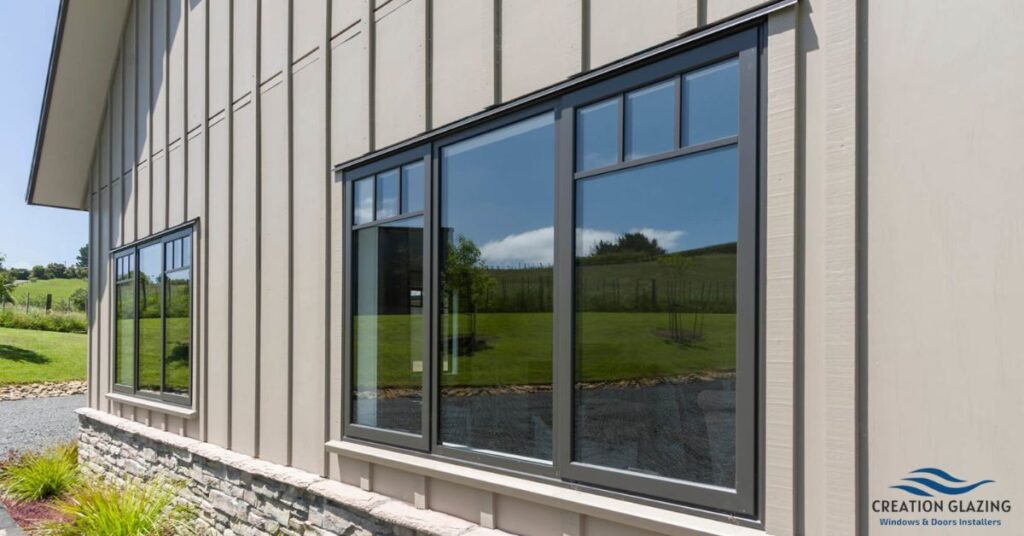
There are many things that contribute to the life of double-glazed windows, and knowing what they are can help you achieve the longest possible use out of your windows. The main contributing factors refer to location and climate, the quality of manufacture, installation standards, maintenance, and the material of the frame.
Location & Climate
Coastal Areas: Houses located alongside the ocean are subject to salt in the air, which tends to eat away metal parts while degrading window seals much faster, increasing the need for blown double glazing repairs.
Extreme Temperatures: Frequently freezing and thawing causes thermal expansion over time in frames and seals, reducing the life expectancy on replacement double glazing.
Sun Exposure: Sustaining prolonged UV exposure leads to yellowing of uPVC frames, cracking of wooden frames, and degradation of seals, increasing the cost of double glazing resealing over time.
Quality of Manufacture
Glass Thickness & Type: Durable glass with gas fillings such as argon provide better insulation by increasing the lifespan of high quality double glazed sealed units, as well as the insulating properties. Seals and Desiccants The use of premium seals combined with special moisture-absorbing desiccants helps to reduce condensation inside panes, therefore lowering the misted window repair cost.
Frame Material Different materials affect longevity:
uPVC: Have a lifespan of about 20-30 years, but can turn brittle and discolor with time.
Aluminum: Can last 30-45 years and is resistant to corrosion, but can have condensation issues.
Wood: Can last 25-50 years with good maintenance, but does require regular sealing and painting.
Installation Standards
Poor Installation Risks Windows are at risk of leaking and losing thermal performance if they are poorly fitted, which may lead to gaps in the window. These poorly fitted units may also require replacement double glazed units sooner than they would usually need.
To avoid difficulties with double glazing repairs in the future, it is often best to invest in professional fitters who guarantee a seal and long-lasting performance.
Maintenance & Care
Seals & Hinges Windows that are double glazed need to be regularly lubricated in order to operate effortlessly and avoid the double glazed window repair price. Cleaning & Inspections Regular cleaning can prevent seal and coating degradation due to dirt buildup, which allows for a longer lifespan of the windows. Condensation Monitoring If moisture exists in between the panes, then the sealed unit replacement cost assessment is recommended.
How to Extend the Lifespan
If you wish to ensure your replacement double glazed window units last longer, then follow these maintenance tips:
- Check window seals annually Replace any seals that show signs of deterioration to stop moisture getting through.
- Lubrication of moving sections is needed to prevent stiffness and warping of the frame.
- Mild cleaning solutions must be used as harsh chemicals might be damaging to the coating.
- Utilize protective coatings on the wooden frames to prevent rot and extend lifespan.
Understanding and taking proactive measures to these factors, homeowners can avoid paying more than is necessary for the replacement of double glazed glass only prices UK, while increasing the long-term lifespan of glazing.
How to Tell If You Need Replacing
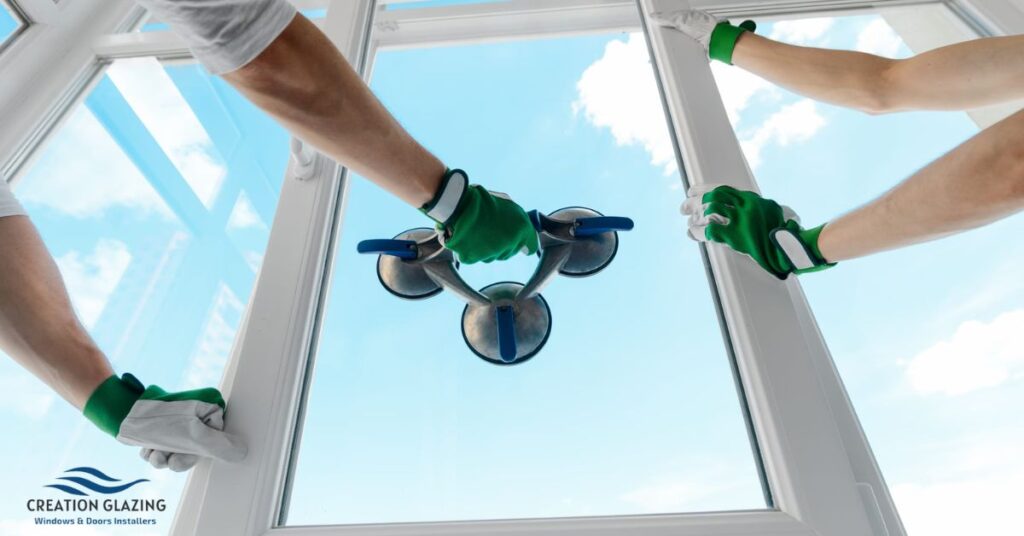
Glazing impacts energy efficiency, noise tolerance, and even security. Despite all these features, windows that are of higher quality still break down. Noticing the early signs can save you money in regards to higher energy bills and the need for repairs. Here are the signs that your glazing needs to be replaced.
Moisture or Fogging Noticed Inside Glass Unit
When there is condensation noticed inside the glass unit, the likelihood is that the seals have failed thus gases expanding and insulation slowly leaking. This cannot be fixed and does need sealed unit replacement.
Cold Draft Moving Around Window Frame
If cold drafts are noticed around the window frame, the chances are that air is allowed to penetrate through the deteriorating seals. This adds extra cost to heating the building and lowers comfort. This scenario might require resealing double glazed or in worse scenarios full unit replacement.
Difficulty Opening or Closing Windows
Windows that are difficult to open or shut properly may have warped frames, broken hinges, or materials that have swollen from moisture damage. Lubrication can help ease the operation of the windows, but persistent problems usually suggest that replacement is in order.
Increased Energy Bills
If the rise is sudden, it indicates that the windows are lacking the proper insulation, and if this continues, the windows might need to be replaced. Costs can be cut dramatically by switching to energy-efficient double glazing.
Obvious Damage Like Cracks, Chips, Or Discoloration
Cracked frames or glass along with chipped ones are aesthetic issues, but they can lower the overall security and insulation of the property. Replacing these units not only makes them look better but function better too.
Extra Noise From Outside
If your home was quiet but now is noisy, chances are that the insulation properties of your double glazing have deteriorated making it necessary for replacement.
Factors That Impact Cost
The cost incurred in the glazing replacement or repair of a window is one that needs to be understood on multiple levels. Below are the main cost components that affect pricing:
Frame Type and Size: Specialty frames like bay windows or sash windows are pricier compared to standard casement windows. Besides, the larger the window, the more materials they would require thus increasing the costs.
Frame Material: uPVC Costs less, but may lose color with time. Aluminum Expensive, modern and durable. Wood Premium compared to uPVC and requires plus maintenance thus increasing long term costs.
Quality and Type of Glass: Double glazing Standard is the cheapest option available. Triple Glazing Provides better insulation, but comes at a cost. Low E or laminated glass Enhances security and energy efficiency.
Cost of Installations and Labor: While aspects like distance from the center and the particular skill level of the technician impacts how much an installation will cost, we recommend you seek the help of a professional as it helps in prolonging the life of the product.
FAQ’s
I Have 20-Year-Old Double Glazing. Should I Replace It?
In case your windows have significant wear and tear like condensation between panes or a draft, you will likely be better off replacing it all together. Having said that, if you have well maintained windows, assessment becomes critical while making such decisions.
Has Glazing Lost Its Efficiency?
Definitely. Windows experience wear overtime which decreases insulation capacity, leading to gas escaping the unit and causing a rise in energy costs, noise and heat radiation, all which require repair or replacement.
What is the Lifespan of Double-Glazed Windows?
Based on their materials and external factors such as maintenance, these windows can last between 20 to 35 years. In the case the user experiences drafts, frame deterioration, or glaring misting, they are advised to replace it.
What Are The Drawbacks of Double Glazing?
Primarily, double glazing improves insulation and reduces noise, however its installation and replacement can be pricey. If the seals fail, moisture build up between panes can greatly influence visibility while also reducing efficiency. In addition, repairs can also be quite expensive.
Conclusion
Double glazing typically lasts between 20-35 years, but like most things in life. It is affected by a few variables such as material, installation and maintenance. If left unchecked, condensation, draft, as well as a combination of other things make these windows very hard to operate. In situations such as these, they will most likely be in need of replacement.
If you are curious how much do windows cost. You can make use of a double glazing cost calculator to figure out approximate costs. For maximum enduring and effectiveness. It is of utmost necessity to invest in good quality material along with proper double glazed window installation.